

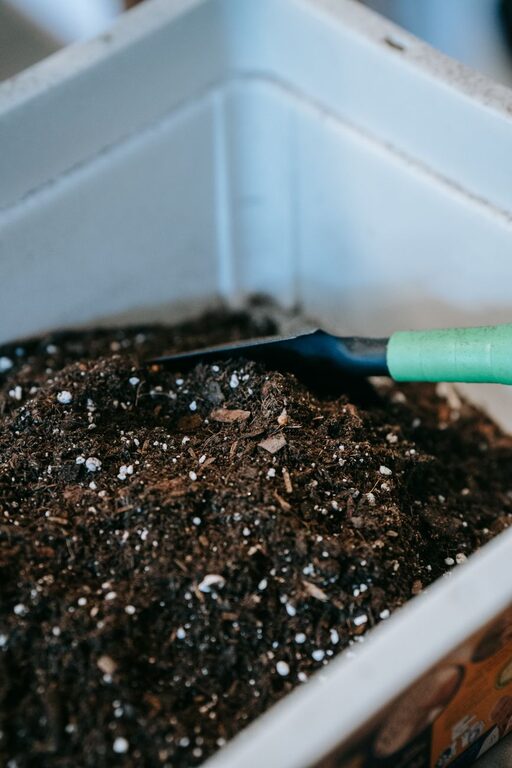
Composting at home is a great way to reduce waste and create nutrient-rich soil for your garden. If you’re new to composting, the process might seem a bit confusing at first, but with a few simple tips, you can easily start your own compost pile or bin. This guide will walk you through the basics, helping you bring new life to your kitchen scraps and yard waste.
What is Composting?
Composting is the natural process of recycling organic materials, such as food scraps and yard waste, into a dark, crumbly soil amendment called compost. This compost is packed with nutrients that improve soil health, promote plant growth, and reduce the need for chemical fertilizers.
Why Compost at Home?
– Reduce landfill waste: Composting keeps organic materials out of landfills, cutting down on methane emissions.
– Improve your garden: Homemade compost enriches the soil, increases moisture retention, and supports beneficial microbes.
– Save money: You can reduce the need to buy fertilizers and soil conditioners.
– Eco-friendly habit: Composting is a sustainable practice that helps lower your environmental footprint.
Getting Started: Choosing a Compost Method
Before you start, decide how you want to compost at home. Here are common options:
1. Compost Bin
A compost bin is a container that holds your compost materials in one place. These are available in various sizes and styles, including rotating barrels that make mixing easier.
2. Compost Pile
If you have a yard, you can create a simple compost pile. This is an open heap where you add organic waste and turn it occasionally. It requires space but is cost-effective.
3. Worm Composting (Vermicomposting)
Worm bins use red wiggler worms to break down food scraps quickly. This method works well indoors or on a small scale and produces worm castings, an excellent fertilizer.
What Can You Compost?
To make good compost, balance “greens” and “browns” in your pile. Here’s what this means:
Greens (Nitrogen-rich materials)
– Vegetable and fruit scraps
– Coffee grounds and tea bags
– Fresh grass clippings
– Plant trimmings
Browns (Carbon-rich materials)
– Dry leaves
– Straw or hay
– Shredded newspaper or cardboard
– Wood chips or sawdust (untreated)
What to Avoid
– Meat, fish, and dairy products (can attract pests)
– Oils and greasy foods
– Diseased plants or weeds with seeds
– Pet waste
Step-by-Step Beginner Composting Tips
1. Start With a Good Location
Choose a spot in your yard that is convenient, well-drained, and has some shade. This helps maintain moisture and temperature.
2. Layer Materials
Begin your compost with a layer of browns about 6 inches thick. Then add a layer of greens about 3-4 inches thick. Continue alternating layers as you add materials.
3. Keep Your Pile Moist
Your compost should feel like a damp sponge—not too dry or soggy. Water occasionally, especially during dry spells.
4. Turn the Pile
Mix or turn your compost once every 1-2 weeks to add oxygen, which speeds up decomposition. Use a garden fork or compost aerator.
5. Be Patient
Composting takes time. Depending on conditions, it can take anywhere from a few months to a year to produce finished compost. Finished compost looks dark, crumbly, and smells earthy.
Troubleshooting Common Issues
Compost Smells Bad
A sour or rotten smell usually means your pile is too wet or has too many greens. Add more browns and turn it to aerate.
Compost Attracts Pests
Avoid adding meat, dairy, or oily foods. Cover food scraps with browns and keep your bin closed.
Compost Is Dry and Slow
Add water and some greens to increase moisture and nitrogen.
Compost Pile Is Not Heating Up
Try adding more greens and turning the pile to introduce oxygen.
How to Use Your Finished Compost
Once your compost is ready, you can:
– Mix it into garden beds to improve soil texture and fertility.
– Use it as mulch around plants to retain moisture.
– Add it to potted plants for extra nutrients.
– Spread it on lawns to boost grass growth.
Final Thoughts
Starting a compost pile at home is easier than you might think, and the benefits for your garden and the environment are well worth the effort. By balancing greens and browns, maintaining moisture, and turning your pile regularly, you’ll soon have rich, healthy compost to support your plants.
Happy composting! Your garden—and the planet—will thank you.